
Cincinnati, OH – On the evening of Thursday, May 14, our organization hosted a very special and timely event focused on When the World Is at War: Understanding US National Security in a Fractured World. It was one of the most memorable dinner events we have ever hosted, filling the room with an engaged and attentive audience and creating the kind of packed-venue energy that makes a program truly special. The evening brought together timely global analysis, strong attendance, and outstanding conversation in a setting that reflected both the seriousness of the subject and the value of shared civic engagement.
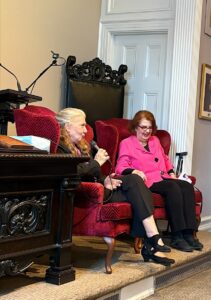 Moderated by our board member and colleague, Ms. Deborah Schultz, at the center of this remarkable evening was Dr. Cynthia A. Watson whose extraordinary expertise, depth of knowledge, and exceptional ability to connect historical realities with contemporary global developments captivated the audience from beginning to end. She delivered an exceptional presentation marked by deep expertise, clarity, and intellectual breadth. Her long career at the National War College as well as her personal experience and time spent across multiple locations on our planet gave her remarks a level of authority and perspective that the audience clearly valued. She offered not only knowledge, but also the kind of nuanced commentary that helps people connect current events to the deeper realities shaping international affairs.
It is important to mention that she graced us with her presence coming to the Greater Cincinnati area to meet with our audience and enjoy a warm and most deserved welcome as one of the longest collaborators of our organization. This would be her third presentation at FPLC, but it would be a first to make the time and effort to come to present in person.
Through a presentation marked by both scholarly rigor and practical relevance, Dr. Watson provided attendees with an invaluable framework for understanding today’s geopolitical environment, not merely through isolated headlines, but through historical parallels, strategic analysis, and cultural understanding.
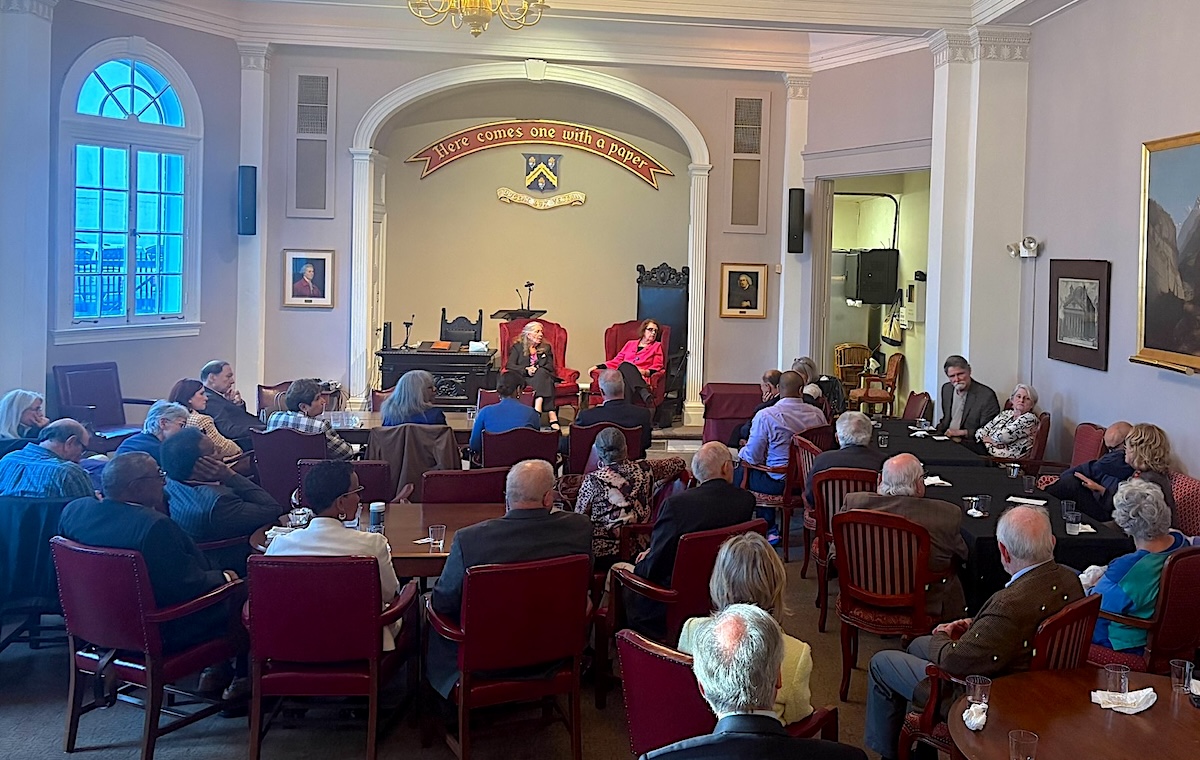 A major strength of Dr. Watson’s remarks was the way she drew meaningful parallels across today’s most consequential global flashpoints. Her insights linked contemporary US involvement in Ukraine, the conflict involving Iran, and the broader implications of the presidential visit to China, helping the audience see how these arenas are connected through strategy, economics, and diplomacy. Rather than treating these issues as separate geopolitical events, Dr. Watson masterfully revealed the underlying interconnectedness between diplomacy, military engagement, and cultural perception. She also highlighted the economic implications of these developments and underscored how US influence is felt across all three fronts.
Equally valuable were Dr. Watson’s comments and the emphasis on cultural competency and communication as some of the most essential tools of foreign policy. She reinforced the idea that lasting political relationships depend not just on power, but on collaboration, respect, and a clear and deep understanding of societal norms. That message resonated strongly with the audience because it framed global leadership as something that requires both strategic thinking and human understanding.
Without question, this was one of the finest dinner events we have ever hosted, a memorable evening defined by intellectual excellence, extraordinary participation, and a renewed commitment to understanding the forces shaping our world. The evening stood out not only for the quality of the dinner and the full house, but for the depth of discussion it inspired. It was the kind of program that reminds us why these gatherings matter: they create space for informed dialogue, sharpen public understanding, and bring people together around the most important questions of our time.
We extend our sincere gratitude to Dr. Watson for sharing her invaluable expertise and offering our audience an evening rich in insight, perspective, and inspiration. We also thank everyone who joined us and helped make this truly special event such an overwhelming success.
We look forward to continuing these important conversations together.

 The atmosphere was both intellectually charged and very engaging, embodying the very spirit of the Council’s mission to foster thoughtful discussion on pressing international issues. The combination of seasoned perspectives from members and the fresh curiosity of university students made for a particularly dynamic exchange, one that many described as both enlightening and energizing.
 Wendy Cutler is Vice President at the Asia Society Policy Institute (ASPI) and the managing director of the Washington, D.C. office. In these roles, she focuses on building ASPI’s presence in the nation’s capital and on leading initiatives that address challenges related to trade, investment and innovation, as well as women’s empowerment in Asia.