A Foreign Policy Worthy of Americans’ Support

Please join us on December 03 for our final event of the year, a distinctive evening with one of Washington’s most original thinkers on American grand strategy.

The United States often sets ambitious goals in its dealings with the world, but too rarely has a credible path to reach them. The instruments of American power are misaligned, overmilitarized, and lacking a durable domestic consensus. The result is a foreign policy that lurches from crisis to crisis, struggles to stay consistent from one administration to the next, and leaves many Americans asking a fair question: Is this really worth it?

The timing could hardly be better. We will gather weeks after the midterm elections, with American forces engaged in and around the Middle East, a lasting debate over who holds the power to take the nation to war, allies rethinking their dependence on Washington, and a defense budget that keeps climbing while Americans press for attention to needs at home. The questions are urgent: What should America actually be trying to achieve in the world? What can it realistically accomplish? And how do we build a strategy that the American people will support, not just for one administration, but for the long haul?

Our special guest speaker, Dr. Christopher Preble, has spent his career working on exactly these questions.


Dinner and the program will be held at The Literary Club, 500 East Fourth Street, America’s oldest continuously operating literary club. Doors open at 5:30PM, networking & dinner at 6PM, event program from 7:00PM-7:45PM, Q&A session from 7:45PM-8PM.


OUR EVENT SPEAKER
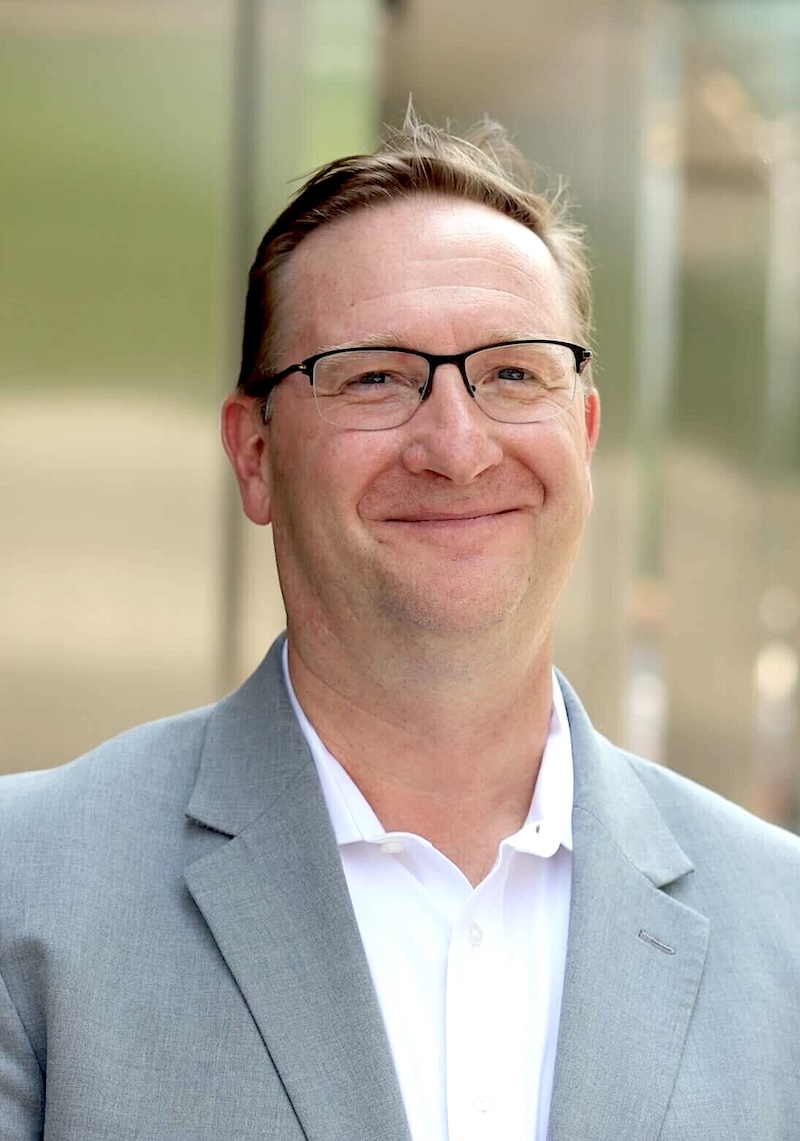
Dr. Christopher PrebleDr. Christopher Preble is Senior Fellow and Director of the Reimagining US Grand Strategy Program at the Stimson Center in Washington, DC, one of the capital’s leading policy institutions. Since launching the program in 2022, he has led a team that publishes an annual look at the conventional wisdom in Washington and tests which assumptions will hold up and which will not.

Before joining Stimson, Dr. Preble was co-director of the Atlantic Council’s New American Engagement Initiative. Prior, he spent nearly two decades at the Cato Institute, as Director of Foreign Policy Studies and then as Vice President for Defense and Foreign Policy Studies. He is a former commissioned officer in the U.S. Navy, where he served aboard the USS Ticonderoga. He holds a PhD in history from Temple University and teaches US foreign policy at the University of California Washington Center. He is the author of Peace, War, and Liberty and The Power Problem: How American Military Dominance Makes Us Less Safe, Less Prosperous, and Less Free. He also co-hosts the Net Assessment podcast.

His central argument is that US grand strategy has become “insolvent.” The goals Washington sets for itself far exceed the means and public support behind them, and the main tool it has leaned on for decades, force or the threat of it, has often fallen short.

He has also written on how the powers of the presidency have grown since 9/11, arguing that Congress has to reclaim its role as a check on decisions of war and peace. His case comes down to this: It should not be so easy to start a war and so hard to make peace!

At a moment of deep division over America’s role in the world, this is the kind of evening the FPLC exists to provide: candid, serious conversations with some of the most prominent, qualified, and thoughtful voices in the field.

We expect a lively program and Q&A for all engaged citizens who want to understand not only where US foreign policy stands, but where it could go next.

REGISTRATION

or scan the QR Code below:
QR Code for Jotform form

An Extraordinary Night: Congressman Gregory Meeks on the Role of Congress in Global Foreign Policy

Cincinnati, OH – On the evening of Tuesday, October 13, our organization hosted an extraordinary night at The Literary Club, welcoming U.S. Congressman Gregory W. Meeks, Ranking Member of the House Foreign Affairs Committee, for The Role of United States Congress in Global Foreign Policy. It was an evening charged with the energy of the moment. Given the caliber of our special guests and the deep polarization surrounding today’s opinions in these challenging times, the room was, of course, a very politically charged one, and that is precisely what made it so compelling.

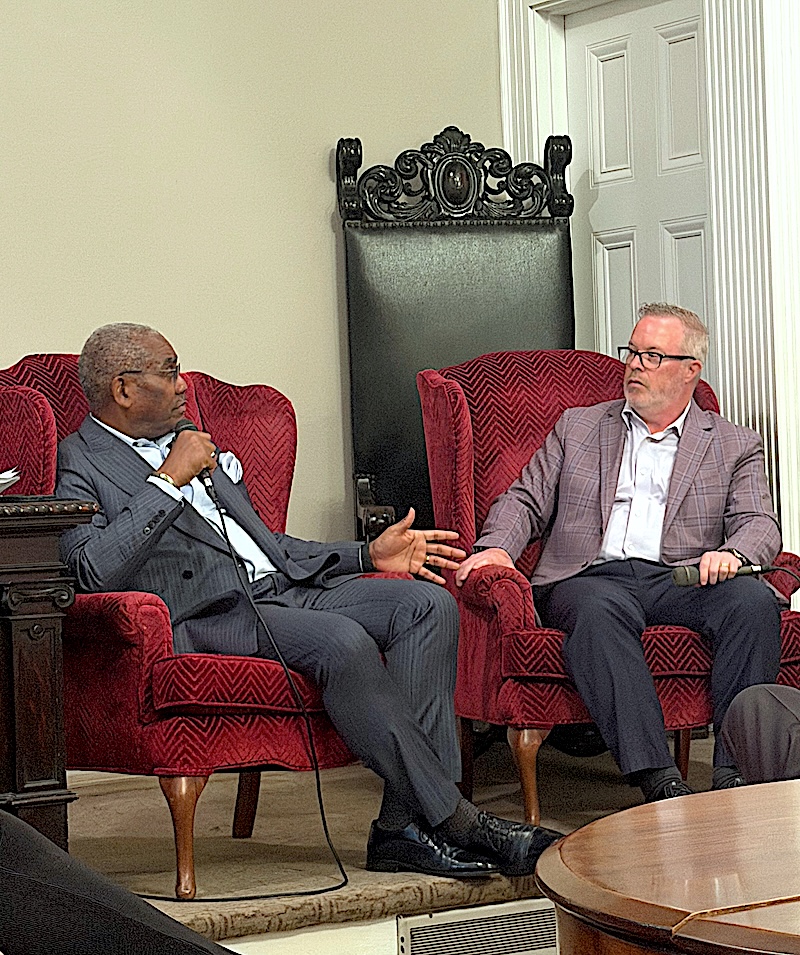
Gregory W. Meeks & Steve DriehausThe program was moderated by our Board of Directors member and colleague, former Congressman Steve Driehaus, who guided the conversation with the experience and insight of someone who has himself served in the halls of Congress. The discussion went to the heart of the questions we posed in advance: how Congress uses oversight, appropriations, and legislation to shape America’s posture abroad, who checks the executive branch on matters of war and diplomacy, and what role the legislative branch should play at a time of such sharp disagreement over the direction of US foreign policy.
Some of the hottest topics of the evening reflected just how volatile the global picture has become. The conversation turned to the current state of the US government and its shifting influence across the globe, to the war between Russia and Ukraine, and, of course, to the Iran War, with the Strait of Hormuz and the highly volatile situation in the Red Sea drawing particular attention. These are issues that do matter a lot these day, which directly or indirectly touch every one of us, and that is why, throughout the entire night, the exchange was as quite open and frank, as it was urgent.

Congressman Meeks, in his thirteenth term and widely regarded as one of the most experienced voices on foreign affairs in the House, offered the audience a rare and candid look at how these decisions are actually made in Washington, and who is fighting to shape them. It was exactly the kind of direct, unfiltered exchange that our organization exists to create.

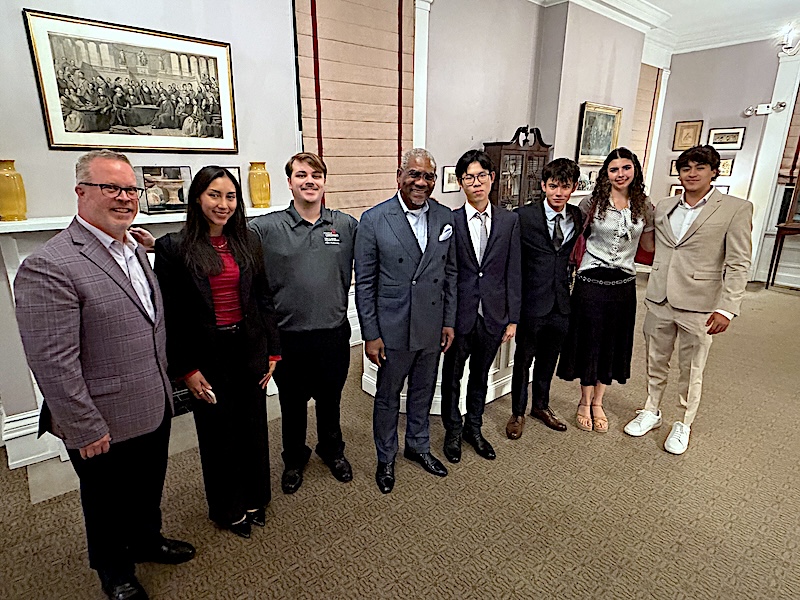
Gregory W. Meeks We were also especially pleased to welcome more students from the University of Cincinnati than ever before to the audience. Bringing the younger generation into our midst remains one of our most important efforts, and seeing so many young people engaged, attentive, and eager to participate in the Q&A was truly encouraging. Our mission is not only to inform, but to pass on the knowledge, along with the baton of interest in and passion for foreign policy, to those who will lead the conversation tomorrow.
Our sincere thanks to Congressman Meeks for joining us and sharing his time, insights, his political wisdom, and candid reflections. We are equally grateful to Congressman Driehaus for his excellent moderation, to our friends and guests from across the political and civic community, the World Affairs Council, and to everyone who filled the room with energy, curiosity, and conversation, making it such a memorable evening.

Evenings like this are what our community is built for. Stay tuned for more exceptional programming from FPLC, and we look forward to continuing these important conversations together.

The Role of United States Congress in Global Foreign Policy

An Extraordinary Night with US Congressman Gregory Meeks

Join us on Tuesday, October 13 for an extraordinary evening with one of the most influential voices shaping America’s role in the world today.

At a moment when the world feels, in a word, upside down, when alliances are being renegotiated in public, tariffs and sanctions shift by the week, wars rage on multiple continents, and even the most basic assumptions about American leadership are being contested at the highest levels of government, understanding how and why Congress shapes foreign policy has never mattered more.

Who checks the executive branch on matters of war and diplomacy? How does Congress use oversight, appropriations, and legislation to influence America’s posture abroad? And in a moment of deep disagreement over the direction of US foreign policy, what role should the US Congress play in restoring coherence and credibility to America’s place in the world?

There is no one better positioned to answer these questions than our special guest of the evening, Congressman Gregory W. Meeks.


Don’t miss this opportunity. Evenings like this are what our community is built for.
Seating is limited – early registration is strongly encouraged!


Dinner and the program will be held at The Literary Club, 500 East Fourth Street, America’s oldest continuously operating literary club. Doors open at 5:30PM, dinner at 6PM, event program from 7:00PM-7:45PM, Q&A 7:45PM-8PM.


OUR EVENT SPEAKER

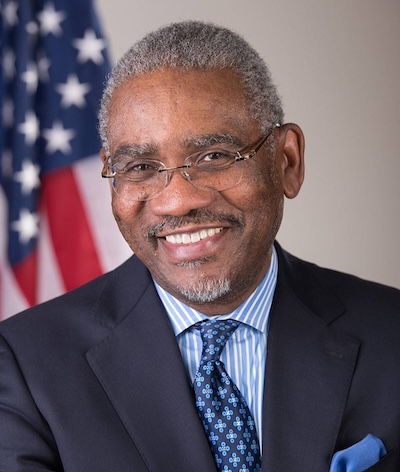
Gregory W. MeeksCongressman Gregory W. Meeks represents New York’s Fifth Congressional District and currently serves as Ranking Member of the House Foreign Affairs Committee, one of the most consequential positions in American foreign policy, and a role from which he previously served as Chairman, becoming the first black member of Congress to lead that committee. Now in his thirteenth term, Congressman Meeks is widely regarded as one of the most experienced and respected voices on foreign affairs in the United States Congress.
A committed multilateralist, Congressman Meeks has spent decades building the case that American strength abroad comes from coalitions, alliances, and steady engagement with the rest of the world. He also serves as a Senior Member of the House Financial Services Committee, where his work has touched the intersection of global finance, national security, and economic policy, including key provisions of the Dodd-Frank Wall Street reform law.

Raised in a public housing project in East Harlem after his family’s journey north during the Great Migration, he built his career as a Queens County Prosecutor and New York State Assemblymanbefore winning election to the House in 1998. That journey from public housing to the Capitol has shaped a leadership style defined by coalition-building, pragmatism, and an unwavering belief in America’s obligation to lead responsibly on the world stage.

With deep and often public disagreement over the direction of US engagement abroad – from the use of war powers, to sanctions and export controls, to the future of American alliances – this is precisely the kind of evening our organization, the FPLC, exists to create and offer, a chance to hear directly, and candidly, from one of the people actually making these decisions.

We anticipate a compelling and timely program for all members who want to understand not just what Washington is deciding about America’s role in the world, but how those decisions get made, and who is fighting to shape them.

The World at War: An Evening of Insight and Real Global Perspective

Cincinnati, OH – On the evening of Thursday, May 14, our organization hosted a very special and timely event focused on When the World Is at War: Understanding US National Security in a Fractured World. It was one of the most memorable dinner events we have ever hosted, filling the room with an engaged and attentive audience and creating the kind of packed-venue energy that makes a program truly special. The evening brought together timely global analysis, strong attendance, and outstanding conversation in a setting that reflected both the seriousness of the subject and the value of shared civic engagement.

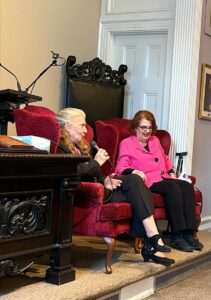
Dr. Cynthia WatsonModerated by our board member and colleague, Ms. Deborah Schultz, at the center of this remarkable evening was Dr. Cynthia A. Watson whose extraordinary expertise, depth of knowledge, and exceptional ability to connect historical realities with contemporary global developments captivated the audience from beginning to end. She delivered an exceptional presentation marked by deep expertise, clarity, and intellectual breadth. Her long career at the National War College as well as her personal experience and time spent across multiple locations on our planet gave her remarks a level of authority and perspective that the audience clearly valued. She offered not only knowledge, but also the kind of nuanced commentary that helps people connect current events to the deeper realities shaping international affairs.
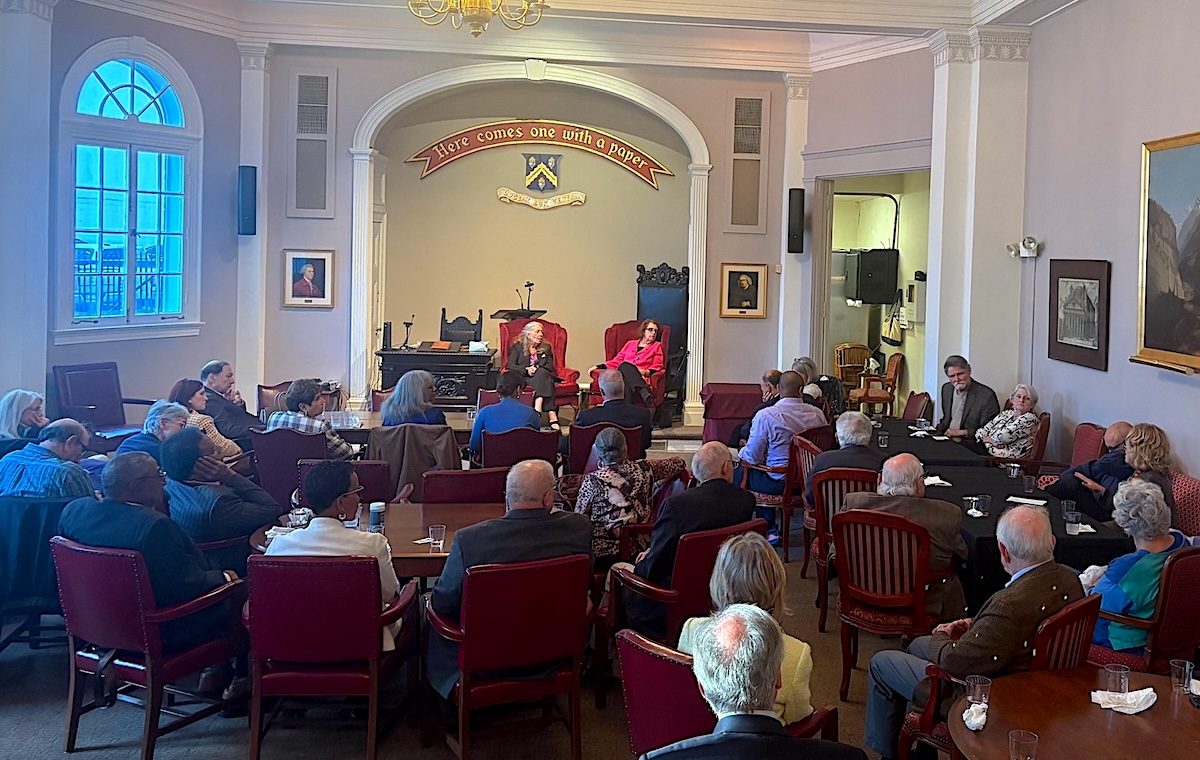
It is important to mention that she graced us with her presence coming to the Greater Cincinnati area to meet with our audience and enjoy a warm and most deserved welcome as one of the longest collaborators of our organization. This would be her third presentation at FPLC, but it would be a first to make the time and effort to come to present in person.

Through a presentation marked by both scholarly rigor and practical relevance, Dr. Watson provided attendees with an invaluable framework for understanding today’s geopolitical environment, not merely through isolated headlines, but through historical parallels, strategic analysis, and cultural understanding.

Dr. Cynthia WatsonA major strength of Dr. Watson’s remarks was the way she drew meaningful parallels across today’s most consequential global flashpoints. Her insights linked contemporary US involvement in Ukraine, the conflict involving Iran, and the broader implications of the presidential visit to China, helping the audience see how these arenas are connected through strategy, economics, and diplomacy. Rather than treating these issues as separate geopolitical events, Dr. Watson masterfully revealed the underlying interconnectedness between diplomacy, military engagement, and cultural perception. She also highlighted the economic implications of these developments and underscored how US influence is felt across all three fronts.

Equally valuable were Dr. Watson’s comments and the emphasis on cultural competency and communication as some of the most essential tools of foreign policy. She reinforced the idea that lasting political relationships depend not just on power, but on collaboration, respect, and a clear and deep understanding of societal norms. That message resonated strongly with the audience because it framed global leadership as something that requires both strategic thinking and human understanding.

Without question, this was one of the finest dinner events we have ever hosted, a memorable evening defined by intellectual excellence, extraordinary participation, and a renewed commitment to understanding the forces shaping our world. The evening stood out not only for the quality of the dinner and the full house, but for the depth of discussion it inspired. It was the kind of program that reminds us why these gatherings matter: they create space for informed dialogue, sharpen public understanding, and bring people together around the most important questions of our time.

We extend our sincere gratitude to Dr. Watson for sharing her invaluable expertise and offering our audience an evening rich in insight, perspective, and inspiration. We also thank everyone who joined us and helped make this truly special event such an overwhelming success.

We look forward to continuing these important conversations together.