
Cincinnati, OH – On the evening of Tuesday, October 13, our organization hosted an extraordinary night at The Literary Club, welcoming U.S. Congressman Gregory W. Meeks, Ranking Member of the House Foreign Affairs Committee, for The Role of United States Congress in Global Foreign Policy. It was an evening charged with the energy of the moment. Given the caliber of our special guests and the deep polarization surrounding today’s opinions in these challenging times, the room was, of course, a very politically charged one, and that is precisely what made it so compelling.
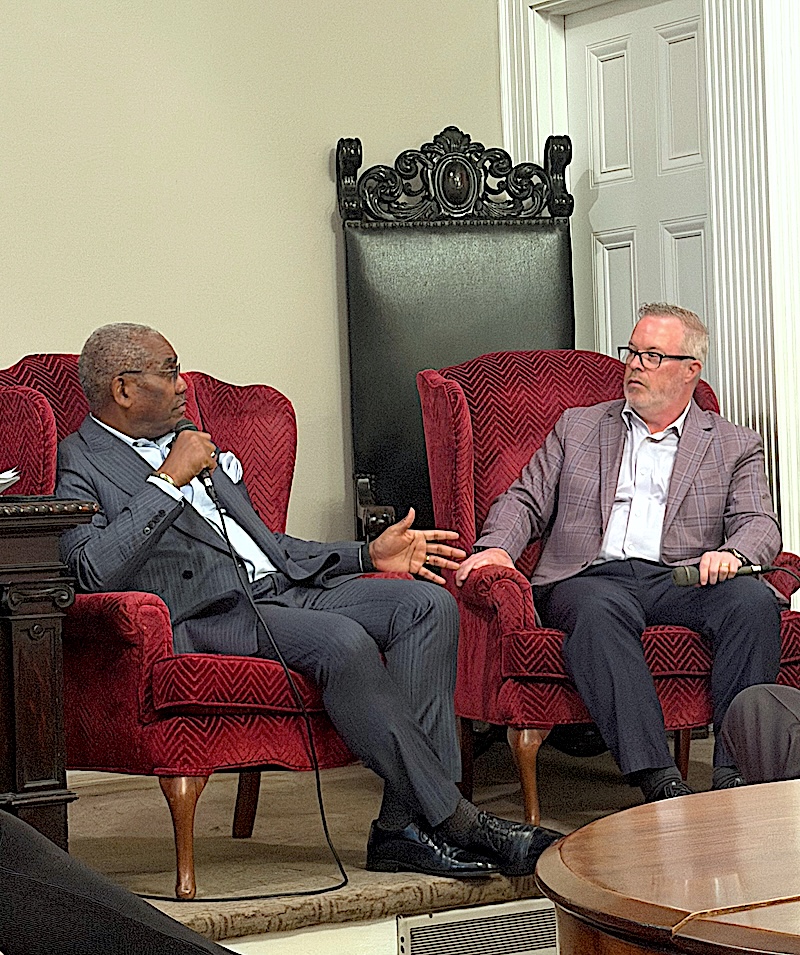 The program was moderated by our Board of Directors member and colleague, former Congressman Steve Driehaus, who guided the conversation with the experience and insight of someone who has himself served in the halls of Congress. The discussion went to the heart of the questions we posed in advance: how Congress uses oversight, appropriations, and legislation to shape America’s posture abroad, who checks the executive branch on matters of war and diplomacy, and what role the legislative branch should play at a time of such sharp disagreement over the direction of US foreign policy.
Some of the hottest topics of the evening reflected just how volatile the global picture has become. The conversation turned to the current state of the US government and its shifting influence across the globe, to the war between Russia and Ukraine, and, of course, to the Iran War, with the Strait of Hormuz and the highly volatile situation in the Red Sea drawing particular attention. These are issues that do matter a lot these day, which directly or indirectly touch every one of us, and that is why, throughout the entire night, the exchange was as quite open and frank, as it was urgent.
Congressman Meeks, in his thirteenth term and widely regarded as one of the most experienced voices on foreign affairs in the House, offered the audience a rare and candid look at how these decisions are actually made in Washington, and who is fighting to shape them. It was exactly the kind of direct, unfiltered exchange that our organization exists to create.
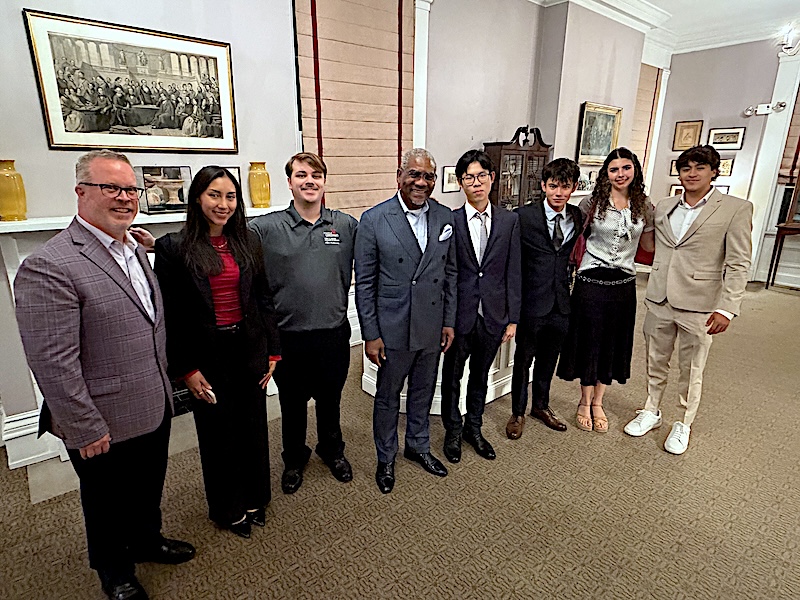 We were also especially pleased to welcome more students from the University of Cincinnati than ever before to the audience. Bringing the younger generation into our midst remains one of our most important efforts, and seeing so many young people engaged, attentive, and eager to participate in the Q&A was truly encouraging. Our mission is not only to inform, but to pass on the knowledge, along with the baton of interest in and passion for foreign policy, to those who will lead the conversation tomorrow.
Evenings like this are what our community is built for. Stay tuned for more exceptional programming from FPLC, and we look forward to continuing these important conversations together.
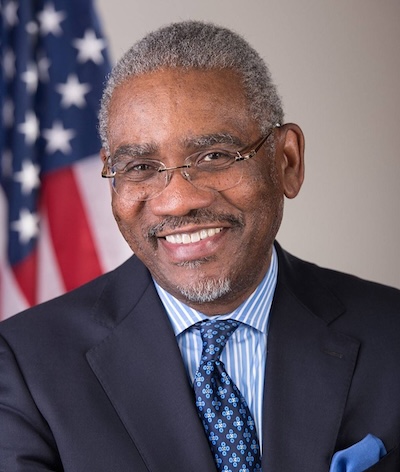 Congressman Gregory W. Meeks represents New York’s Fifth Congressional District and currently serves as Ranking Member of the House Foreign Affairs Committee, one of the most consequential positions in American foreign policy, and a role from which he previously served as Chairman, becoming the first black member of Congress to lead that committee. Now in his thirteenth term, Congressman Meeks is widely regarded as one of the most experienced and respected voices on foreign affairs in the United States Congress.
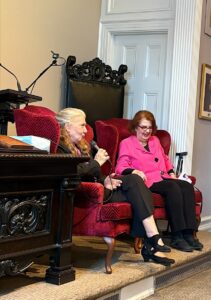 Moderated by our board member and colleague, Ms. Deborah Schultz, at the center of this remarkable evening was
 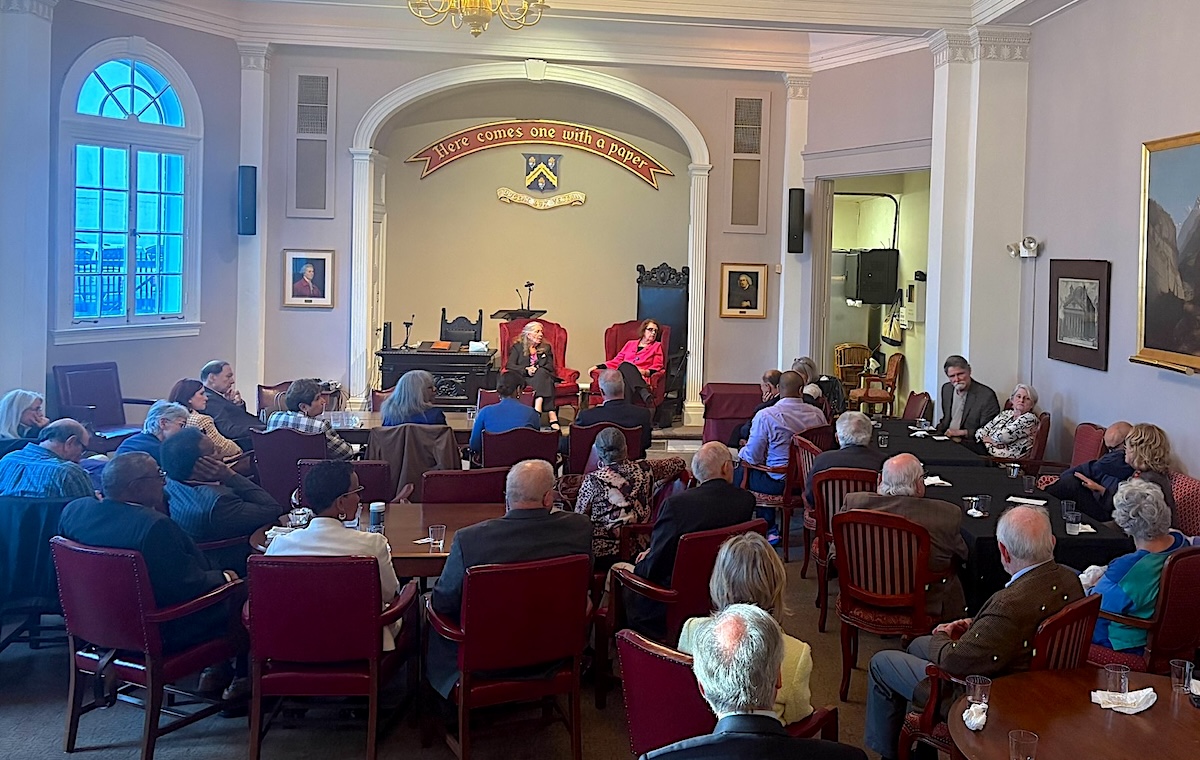 A major strength of Dr. Watson’s remarks was the way she drew meaningful parallels across today’s most consequential global flashpoints. Her insights linked contemporary US involvement in Ukraine, the conflict involving Iran, and the broader implications of the presidential visit to China, helping the audience see how these arenas are connected through strategy, economics, and diplomacy. Rather than treating these issues as separate geopolitical events, Dr. Watson masterfully revealed the underlying interconnectedness between diplomacy, military engagement, and cultural perception. She also highlighted the economic implications of these developments and underscored how US influence is felt across all three fronts.
 Walt Vanderbush brings deep expertise in US-Latin American relations, Latin American political economy, and immigration policy, all grounded in decades of research, teaching, and international experience. Walt is an Associate Professor and Assistant Chair in the Department of Global and Intercultural Studies at Miami University. He has guided students on study abroad experiences in Cuba, Mexico, Venezuela, and Colombia and is co-author of the acclaimed textbook “International Studies: An Interdisciplinary Approach to Global Issues.” His work enriches our understanding of international policy and intercultural dynamics, making him a compelling voice for our community.
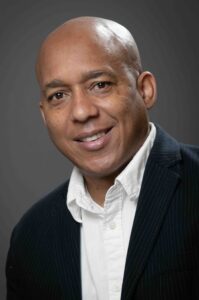 Juan Carlos Albarrán complements this perspective with his lifelong commitment to Latin American, Caribbean, and Latino/a studies, leading student exchanges, international programs, and interdisciplinary exploration of regional issues from sustainable tourism to migration and diaspora dynamics. Originally from Havana, Cuba, Juan Carlos has developed study abroad opportunities and led workshops across Costa Rica, Panama, Brazil, and Cuba, and has guided students through Miami University’s Luxembourg campus programs. As Director of the Study of United States Institutions (SUSI) Exchange Program sponsored by the U.S. State Department, he brings global perspectives and social entrepreneurship into the classroom. A passionate advocate for global diversity, inclusion, and the humanities, Professor Albarrán continues to inspire students to engage with timely issues through deep cultural connections.