Join us on Thursday, May 14th for a rare and essential evening with one of America’s foremost authorities on national security, military strategy, and global conflict.
We are living through a moment unlike any in recent memory. Wars are being fought on multiple fronts. Alliances are being tested. The role of the American military and of America itself on the world stage is being redefined in real time. The questions have never felt more urgent: What is driving these conflicts? What are the stakes for the United States? And what does the future of global security and relations look like?
There may be no one better equipped to guide us through these questions than our special guest speaker, Dr. Cynthia A. Watson.
OUR EVENT SPEAKER
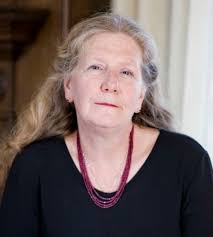 Dr. Watson spent nearly thirty years at the National War College, the nation’s premier institution for senior military and civilian leaders, where she served as Professor of Strategy, Chair of the Department of Security Studies, Dean of Faculty and Academic Programs, and ultimately Interim Provost of the National Defense University. She was also awarded the distinguished title of Professor Emerita in recognition of her extraordinary service to professional military education.
Her credentials are remarkable: Graduate of the London School of Economics and the University of Notre Dame, a member of the International Institute for Strategic Studies, the National Committee on US-China Relations, and the Society for Military History. Her book US National Security was named a Book of the Year by CHOICE magazine. Her landmark work Combatant Commands: Origins, Structure, and Engagements remains the definitive text on how America deploys its military power across the globe.
Simply put, Dr. Watson has spent a career training the people who make the decisions that shape our world. Now she brings that perspective directly to you.
In an era of grinding conflict in Ukraine, ongoing instability in the Middle East, the Iranian war, escalating tensions across the Indo-Pacific, and a rapidly shifting US foreign policy posture, this is precisely the kind of evening that reminds us why our organization, the FPLC exists – to bring the sharpest minds in global affairs into candid, direct conversation with our community.
We anticipate a thought-provoking program for all engaged citizens who want to understand not just what is happening in the world – but why, and what comes next.
Don’t miss this opportunity.
Seats are Limited – Registration and Reservations are Required!

OR
Scan the following QR Code:

 Our Presenting Guest Speaker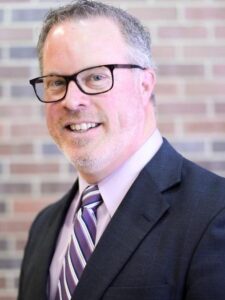
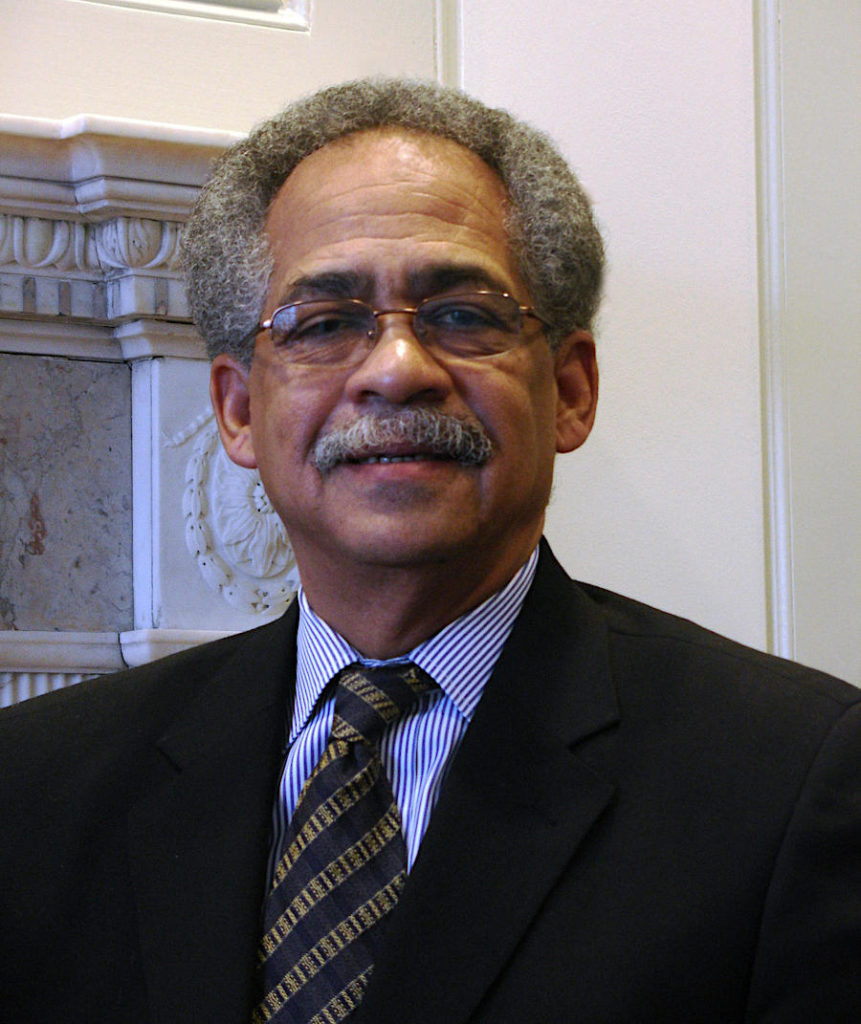 Kenton Keith retired from government service in 1997 after four years as a naval officer and thirty-two in the U.S. Information Agency and Department of State. His final years at USIA included assignments in Brazil, Paris, and Cairo in public affairs and cultural affairs in deputy and senior positions. In Washington, he served as both Deputy Area Director and Area Director for USIA’s (NEA) North Africa, Near Eastern and South Asian Affairs. Keith led the USIA planning team for the amalgamation of foreign affairs agencies. He was confirmed as Chief of Mission Doha, Qatar in 1992. For five years he served as a team leader in the Department’s Office of the Inspector General, before being named US Ambassador to Qatar in l992 for three years.