
Real World Ramifications for the TriState, Historical Context and Possible Solutions
An Evening with Dr. Bryan Wright,
Julie LeMaster, Esq. & Doug Halpert, Esq.
Tuesday, September 24, 2019
5:30 p.m. Reception/6:15 p.m. Dinner/7:00 p.m. Presentation

Dr. Bryan Wright
Dr. Bryan Wright is the Executive Director of Cincinnati Compass, a collaborative project of the Cincinnati USA Regional Chamber, City of Cincinnati, and more than 65 community partners who believe that immigrants and refugees are key contributors to a strong regional economy and a diverse, vibrant community. Most of his career focuses on immigrant and refugee integration toward inclusive economic development.
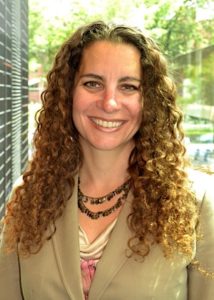
Julie LeMaster
Julie LeMaster, Esq. is Founder/Executive Director of the Immigrant and Refugee Law Center, which provides free legal services to low-income immigrant and refugee families through Community Learning Centers in Cincinnati Public Schools. Julie is a passionate human rights lawyer with extensive experience with these issues. She works locally, nationally and globally to advance human rights and gender equality, most recently in conflict affected countries, and has a deep understanding of issues facing these communities.
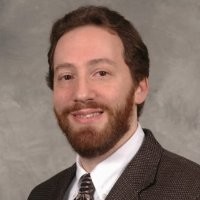
Doug Halpert
Douglas Halpert, Esq. is Partner of Hammond Law Group LLC with 31 years’ experience representing companies, universities, not-for-profits, students and professionals in navigating the work visa, permanent residence (green card) and naturalization process, and has been listed in Best Lawyers in America for over a quarter century.
Dr. Wright and attorneys LeMaster and Halpert will discuss the immigration system and policies including their impact on TriState companies, universities, not-for-profits, and families with a focus on the latest regulatory and policy developments; legislative, regulatory and policy choices for Congress and the Administration; and perspective on the current dynamic in terms of U.S. immigration history and how other countries handle immigration.
Event sponsored by:


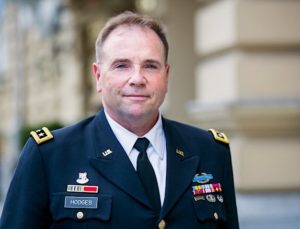 General Ben Hodges was Commander of the United States Army Europe from 2014 to 2017 and Commander of the NATO Allied Command from 2012 to 2014. Stars and Stripes called Hodges’ tenure at USAREUR “the most consequential in Europe since the end of the Cold War.” Ben maintains his residence in Frankfurt, Germany where he serves as the Pershing Chair in Strategic Studies for the Center for European Policy and Analysis, a Washington based think tank.
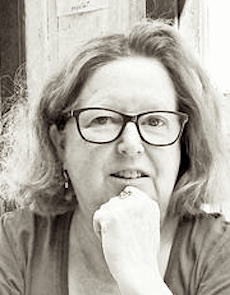 Elizabeth Riorden earned her Master of Architecture degree from Columbia in 1981. After working as an architectural designer and registered architect, she returned to an earlier career interest: archaeology. With B.A. degree from Brown in Ancient and Medieval Culture (magna cum laude 1978), Riorden had a deep interest in the built environment of past civilizations. In 1989 she participated in excavations at Troy in Northwest Turkey. Her Troy drawings and articles appear in Studia Troica. In 2002 she became a full-time academic, teaching architectural design, history and preservation at the University of Cincinnati’s School of Architecture and Interior Design.

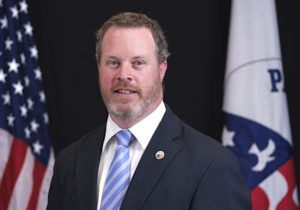 Steve Driehaus is a former Member of Congress and four term State Representative from Cincinnati. In addition to serving as a Peace Corps Volunteer in Senegal ’88-‘90, he spent six years as Country Director for Peace Corps in Swaziland and Morocco from 2011-2017.